

I’ve been curious about my surname for years, so I sat down to figure out what is actually known about the Atwood name before the 1800s — and what isn’t. Here’s the honest version: the etymology is well-documented, but the deeper family lore is mostly a question mark unless you put in the genealogy work yourself.
The Atwood Surname Is English in Origin
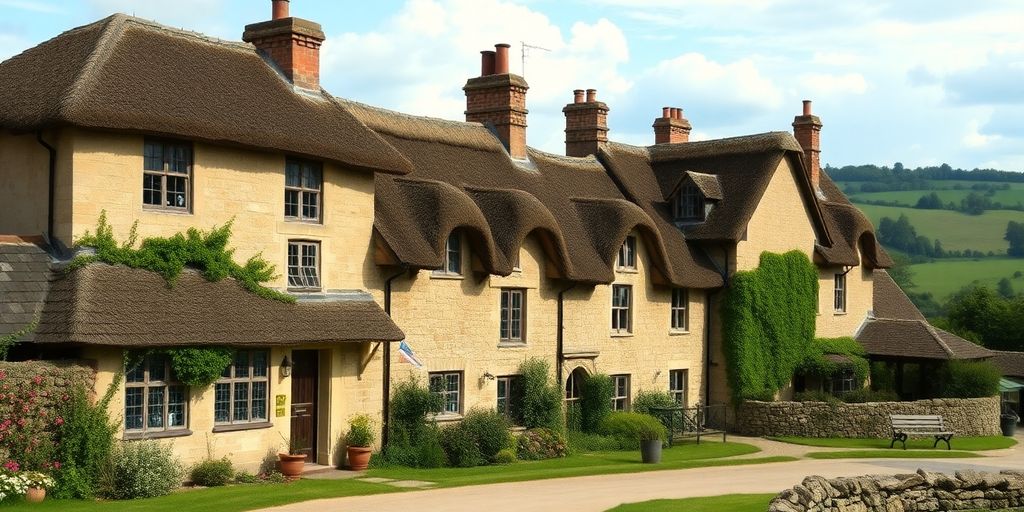
Atwood is an English surname with Anglo-Saxon roots. It belongs to a category called locational or toponymic surnames — names that originally described where a person lived rather than who their father was or what they did for a living.
What “Atwood” Actually Means
The name comes from the Middle English phrase atte wode, which is itself derived from the Old English æt þām wuda — literally “at the wood.” Someone called John atte Wode in a 13th- or 14th-century English record was, in plain terms, “John who lives by the wood.” Over time the preposition and the noun fused, the spelling drifted, and you end up with Atwood, Attwood, Atwode, and a handful of related variants still seen today.
This kind of “at the [landscape feature]” surname is a whole family of English names — Atwater, Atfield, Atcliffe — all formed the same way. It tells you something modest but real about the origin: somewhere in medieval England, an ancestor lived close enough to a notable patch of woodland that it became their identifier.
Medieval English Records
The surname shows up in English documentary records from the medieval period onward — manor rolls, tax assessments, parish registers, and similar sources. I’m being deliberately vague here because I haven’t personally traced a specific medieval Atwood line, and I’d rather say “the name is attested in that era” than invent a knight or a manor lord that I can’t back up.
If you’re serious about pre-1700s English ancestry, that’s the kind of detail you have to dig out of primary sources yourself.
Atwoods in Colonial New England
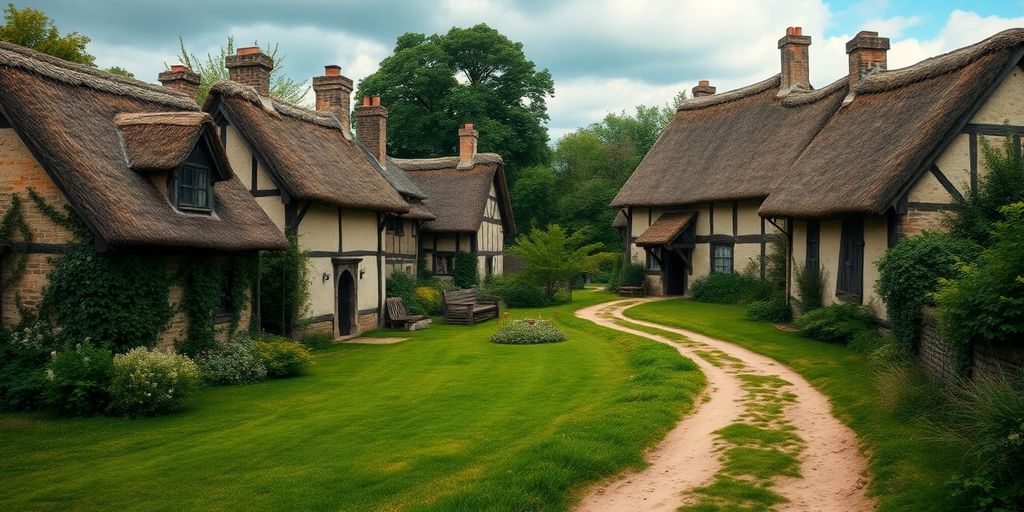
The Atwood name reached North America the way many English surnames did — through 17th-century migration to the New England colonies. Atwoods are documented among early settlers in Massachusetts, and from there the name spread through the broader colonial Northeast over the following century.
There were multiple unrelated Atwood immigrants, and online family trees frequently merge them or attach the wrong children to the wrong father. If you see a tidy chart claiming a clean line from a specific 1600s Atwood to you, treat it as a hypothesis to verify, not a fact.
How to Actually Research Your Own Atwood Line
If you share the surname and want to know where your branch comes from, the work is genuinely worth doing — but it has to be done with real sources, not surname-history websites that recycle the same paragraphs.
A few starting points I’d recommend:
- FamilySearch.org — free, run by the LDS Church, with an enormous catalog of digitized parish records, censuses, and probate documents.
- Ancestry.com — paid, but the U.S. census and immigration record coverage is hard to beat.
- FindAGrave.com — surprisingly useful for confirming death dates and family groupings.
- The New England Historic Genealogical Society (AmericanAncestors.org) — the serious resource for colonial New England lines, which is where most American Atwoods will eventually land.
- DNA testing — useful for breaking through brick walls and confirming or disproving paper-trail guesses, but only after you’ve done the paper trail.
What I’m Comfortable Saying
Atwood is an English locational surname meaning “at the wood.” It’s medieval in origin, it shows up in early American records via New England, and beyond that, any specific ancestor story is something each branch has to prove for itself.
That’s a smaller claim than most surname-history articles make. I think it’s also the honest one.
